Aging is a natural part of life, but the foods we eat can play an important role in how well our bodies function as we grow older. After age 65, maintaining a balanced diet becomes especially important for supporting energy, muscle strength, immune function, and overall well-being.
Every day, our cells are exposed to normal wear and tear caused by metabolic activity, environmental factors, and the natural aging process. The body has its own systems for maintaining and repairing cells, and good nutrition helps provide the essential nutrients these systems need.
Although no single food can reverse aging, repair all damaged cells, or prevent serious diseases, certain everyday foods contain vitamins, minerals, antioxidants, healthy fats, and proteins that support normal cellular function.
Here are 10 nutritious foods worth considering as part of a healthy eating routine after 65.
1. Blueberries: A Colorful Source of Antioxidants
Blueberries are small fruits packed with beneficial plant compounds, particularly anthocyanins, which give them their distinctive blue-purple color.
These compounds have antioxidant properties and are being studied for their potential roles in healthy aging.
Blueberries also provide vitamin C, fiber, and other nutrients that contribute to a balanced diet.
Why they may be helpful:
- Provide antioxidants that help protect cells from oxidative stress.
- Supply dietary fiber to support digestive health.
- Contribute vitamin C for normal immune function.
- Offer a naturally sweet alternative to highly processed desserts.
How to enjoy them: Add a small handful of fresh or frozen blueberries to oatmeal, plain yogurt, or a breakfast smoothie.
2. Salmon: Healthy Fats for the Brain and Heart
Salmon is an excellent source of protein and omega-3 fatty acids, including EPA and DHA.
Omega-3 fats are important components of cell membranes and contribute to normal bodily functions.
For older adults, eating fish as part of a balanced dietary pattern can help provide nutrients that support cardiovascular and general health.
Salmon also contains vitamin B12 and, depending on the variety, vitamin D.
Why it may be helpful:
- Provides high-quality protein for muscle maintenance.
- Supplies omega-3 fatty acids.
- Contains vitamin B12, which supports normal nerve function.
- Contributes nutrients important for healthy aging.
How to enjoy it: Try baked salmon with olive oil, lemon, and steamed vegetables. Including fatty fish in meals approximately twice a week can be a practical dietary goal for many adults.
3. Spinach: Leafy Greens for Everyday Nutrition
Spinach contains several nutrients that become increasingly valuable as we age.
It provides folate, vitamin K, vitamin A precursors, and plant compounds such as lutein and zeaxanthin.
These nutrients contribute to normal cellular processes and help maintain a varied, nutrient-rich diet.
Leafy green vegetables are also associated with healthier overall dietary patterns.
Why it may be helpful:
- Provides folate needed for normal cell division.
- Contains carotenoids that support eye health.
- Supplies vitamin K, which contributes to normal blood clotting and bone maintenance.
- Adds valuable nutrients without excessive calories.
How to enjoy it: Include spinach in soups, omelets, salads, or vegetable dishes.
People taking warfarin should maintain a consistent vitamin K intake and discuss dietary changes with their healthcare professional.
4. Walnuts: Plant-Based Omega-3 Fats
Walnuts are a convenient food for older adults looking to increase their intake of healthy fats.
They contain alpha-linolenic acid (ALA), a plant-based omega-3 fatty acid, along with fiber, minerals, and polyphenols.
Replacing some foods high in saturated fat with unsaturated-fat sources such as walnuts can contribute to a heart-conscious eating pattern.
Why they may be helpful:
- Provide beneficial unsaturated fats.
- Contain plant compounds with antioxidant activity.
- Supply minerals, including magnesium.
- Offer a combination of fats, fiber, and some protein.
How to enjoy them: Sprinkle chopped walnuts over oatmeal or yogurt, or enjoy a small portion as a snack.
Because nuts are calorie-dense, portion sizes matter. People with chewing difficulties may prefer finely ground walnuts.
5. Eggs: Protein and Nutrients for Healthy Aging
Protein becomes particularly important with advancing age because muscle mass and strength may gradually decline.
Eggs provide high-quality protein containing essential amino acids needed for normal tissue maintenance.
They also contain choline, vitamin B12, selenium, and other nutrients.
Choline plays a role in cell membrane structure and normal nervous system function.
Why they may be helpful:
- Supply protein for maintaining muscle mass.
- Provide choline for normal cellular function.
- Contain vitamin B12 and selenium.
- Are versatile and relatively easy to prepare.
How to enjoy them: Serve boiled, poached, or scrambled eggs alongside vegetables and whole-grain toast.
Individual dietary recommendations may vary depending on cholesterol levels and other health conditions.
6. Plain Yogurt: Protein and Calcium for Older Adults
Plain yogurt can be a useful addition to meals after age 65.
It supplies protein and calcium, and many varieties contain live bacterial cultures.
Calcium is important for maintaining bones, while protein supports normal muscle function.
Some yogurts also provide vitamin D when fortified.
Why it may be helpful:
- Supplies calcium for bone health.
- Provides protein for muscle maintenance.
- May contain live cultures that contribute to digestive health.
- Offers a convenient option for breakfast or snacks.
How to enjoy it: Choose plain, unsweetened yogurt and add berries, oats, or chopped nuts.
For people who have difficulty digesting lactose, lactose-free varieties may be more suitable.
7. Olive Oil: A Heart-Friendly Everyday Fat
Extra virgin olive oil is widely used in Mediterranean-style eating patterns.
It contains monounsaturated fats and naturally occurring polyphenols.
Research on Mediterranean dietary patterns suggests that replacing some saturated fats with unsaturated fats may benefit cardiovascular health.
However, olive oil should not be considered a treatment for aging-related conditions.
Why it may be helpful:
- Provides monounsaturated fatty acids.
- Contains plant compounds with antioxidant properties.
- Can replace butter or other sources of saturated fat in some meals.
- Helps make vegetables and whole grains more enjoyable.
How to enjoy it: Drizzle a moderate amount over salads, cooked vegetables, or whole-grain dishes.
Olive oil is energy-dense, so moderation remains important.
8. Lentils: Fiber and Plant Protein
Lentils are an affordable, nutritious food that can be especially useful for maintaining a balanced diet later in life.
They contain plant protein, dietary fiber, iron, folate, and potassium.
Folate contributes to normal cell division, while iron is needed for oxygen transport in the body.
Their fiber content also supports digestive health.
Why they may be helpful:
- Provide plant-based protein.
- Supply folate for normal cellular processes.
- Contain fiber that supports bowel regularity.
- Offer a filling alternative to some highly processed foods.
How to enjoy them: Prepare lentil soup with carrots, onions, tomatoes, and herbs, or add cooked lentils to salads.
People with certain kidney conditions may need individualized guidance regarding potassium and protein intake.
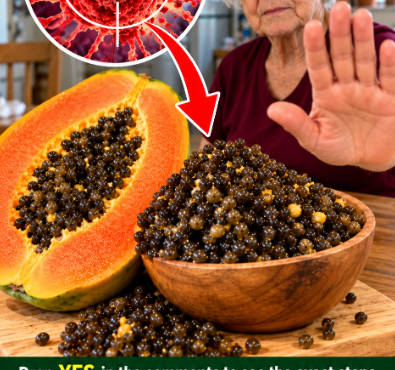
9. Papaya: Vitamin C and Digestive Fiber
Papaya is a tropical fruit known for its orange flesh and naturally sweet flavor.
It provides vitamin C, carotenoids, and dietary fiber.
Vitamin C contributes to normal collagen formation and helps protect cells from oxidative stress.
Papaya also contains water and fiber, making it a refreshing addition to a varied diet.
Why it may be helpful:
- Provides vitamin C for normal immune function.
- Contains carotenoids with antioxidant activity.
- Supplies fiber for digestive health.
- Adds variety and natural sweetness to meals.
How to enjoy it: Eat fresh, ripe papaya in moderate portions, either on its own or mixed with plain yogurt.
Important: Papaya does not kill cancer cells within 48 hours, cure cancer, or reverse aging. Such claims are not supported by reliable human clinical evidence.
Its nutritional benefits should be understood as part of an overall healthy diet rather than as a medical treatment.
10. Oats: Whole Grains for Heart and Digestive Health
Oats are a practical breakfast choice for many older adults.
They contain soluble fiber, particularly beta-glucan, which can help lower LDL cholesterol when consumed in sufficient amounts as part of an appropriate diet.
Oats also provide complex carbohydrates, protein, magnesium, and other essential nutrients.
Why they may be helpful:
- Provide soluble fiber that supports healthy cholesterol levels.
- Contribute to digestive regularity.
- Supply steady dietary energy as part of a balanced meal.
- Combine easily with fruits, nuts, and yogurt.
How to enjoy them: Prepare oatmeal with milk or a fortified alternative, then add blueberries, walnuts, and cinnamon.
Choose minimally processed oats without large amounts of added sugar whenever possible.
Why Nutrition Matters More After Age 65
As people grow older, several natural physiological changes can affect nutritional needs.
Muscle mass may decline, appetite can change, and some individuals may have difficulty absorbing certain nutrients.
The body’s normal cellular maintenance systems continue functioning throughout life, but aging can influence how efficiently some processes operate.
Nutrition supports these systems by supplying the raw materials needed for normal tissue maintenance and metabolism.
Important nutrients include:
- Protein: Supports muscle and tissue maintenance.
- Vitamin B12: Contributes to normal nerve function and red blood cell formation.
- Vitamin C: Supports collagen production and normal antioxidant defenses.
- Vitamin D and calcium: Help maintain bone health.
- Omega-3 fatty acids: Contribute to normal cell membrane function.
- Fiber: Supports digestive health and healthy cholesterol levels.
Eating a variety of foods is generally more beneficial than relying on one ingredient or supplement.
Simple Daily Meal Ideas for Adults Over 65
Incorporating nutritious foods does not require an expensive or complicated meal plan.
A balanced daily routine might include:
Breakfast: Oatmeal topped with blueberries, chopped walnuts, and plain yogurt.
Lunch: Lentil soup served with whole-grain bread and a spinach salad dressed with olive oil.
Afternoon snack: Fresh papaya or another seasonal fruit.
Dinner: Baked salmon with cooked vegetables and a whole-grain side dish.
These examples are flexible and should be adjusted according to individual nutritional needs, food preferences, medical conditions, and available ingredients.
Older adults with reduced appetite may benefit from smaller, nutrient-dense meals throughout the day.
Other Habits That Support Healthy Aging
Nutrition is only one part of maintaining health later in life.
Regular physical activity, appropriate sleep, hydration, social connection, and preventive healthcare are also important.
Resistance exercises, when suitable for an individual’s physical abilities, can help maintain muscle strength and everyday mobility.
Adequate sleep supports normal physical and cognitive function, while staying hydrated helps the body carry out essential processes.
Avoiding tobacco and limiting alcohol consumption can also contribute to long-term health.
Most importantly, routine medical checkups can help identify nutritional deficiencies and health concerns that may require professional attention.
Can Foods Actually Repair Aging Cells?
The human body continuously maintains, replaces, and repairs cells through complex biological processes.
Nutrients from food support many of these normal functions.
For example, protein provides amino acids needed for tissue maintenance, while vitamins and minerals participate in cellular metabolism.
Antioxidant compounds can help counter oxidative reactions, although their effects within the human body are more complex than laboratory experiments may suggest.
It is important to distinguish between supporting normal cellular function and claiming that a particular food can reverse biological aging.
Currently, there is no convincing clinical evidence that eating a specific food can rapidly restore aged cells, eliminate cancer cells, or guarantee a longer lifespan.
The most reliable approach is to maintain a balanced dietary pattern over time rather than expecting dramatic results from individual ingredients.
Final Thoughts
Healthy aging is not about finding one miraculous food. It is about building consistent habits that support the body’s needs throughout life.
Blueberries, salmon, spinach, walnuts, eggs, yogurt, olive oil, lentils, papaya, and oats all offer valuable nutrients that can contribute to a balanced diet after age 65.
Each provides different nutritional benefits, and combining a variety of foods can help older adults obtain the protein, fiber, vitamins, minerals, and healthy fats they need.
Small, sustainable dietary improvements, combined with regular movement, adequate rest, and appropriate medical care, can support overall health and quality of life.
The goal is not to stop aging, but to maintain strength, independence, and well-being as the years go by.